How to Make Water Safe to Drink in an Emergency
Three ways to make water safe at home (boil, bleach, filter), the exact bleach drops per gallon, and the water no method can fix.

Boiling is the surest way: bring clear water to a rolling boil for 1 minute (3 minutes above 6,500 feet), then let it cool. No way to boil? Add 8 drops of plain unscented 6% bleach per gallon, stir and wait 30 minutes. A filter removes bacteria and parasites, but not viruses, so the CDC says to add a disinfectant after filtering. If the water may hold fuel or chemicals, none of this makes it safe: use another source.
After a storm, a flood or a broken water main, the water from your tap may not be safe, and bottled water sells out fast.
The good news: you can make most water safe at home with a pot, a bottle of bleach or a filter. Here is exactly how, based on CDC and EPA guidance, with the numbers you need and the mistakes to avoid.
In this guide
- Clear it, then treat it. Let cloudy water settle or strain it through a cloth or coffee filter before boiling or adding bleach.
- Boil 1 minute, or 8 drops of 6% bleach per gallon. Wait 30 minutes after bleach.
- Filters do not stop viruses. Filter first, then add bleach.
- Store at least 1 gallon per person per day for several days.
Is my tap water safe to drink right now?
Listen to your local officials first. Your water utility or health department knows what is in your water. If they issue a boil water advisory or a do not drink notice, follow their instructions exactly. If you have bottled water, use it for drinking, cooking and brushing teeth.
The methods below are for when you have no bottled water, or must use rain, well, creek or pond water. They kill or remove germs, not chemicals.
How do you make water safe to drink, step by step?
Pick the method that fits what you have. If the water is cloudy, start with step 1.
 Step01
Clear cloudy water first
Let it settle, then pour off the clear water on top. Or strain it through a clean cloth, a paper towel or a coffee filter. The CDC says to do this before boiling or adding bleach.
 Step02
Boil it: the surest way
Bring the water to a rolling boil for 1 minute. Above 6,500 feet, boil it for 3 minutes (the EPA says 3 minutes above 5,000 feet, so if you live in the mountains, use 3). Let it cool before you drink it.
 Step03
No fuel? Use plain bleach
Use regular unscented household bleach. Add 8 drops of 6% bleach per gallon (6 drops if it is 8.25%), stir, and wait 30 minutes. The water should smell slightly of chlorine. If it does not, the EPA says to add the same dose again and wait 15 more minutes.
 Step04
Filter it, then disinfect
A gravity filter works with no power, fuel or boiling, and pulls mud and germs out of rain, creek or well water. Portable filters do not remove viruses, so the CDC says to add a disinfectant like bleach after filtering.
 Step05
Store it clean
Pour treated water into clean containers with tight lids. Do not dip cups or hands into it. Label the jug so nobody mixes treated water with untreated water.
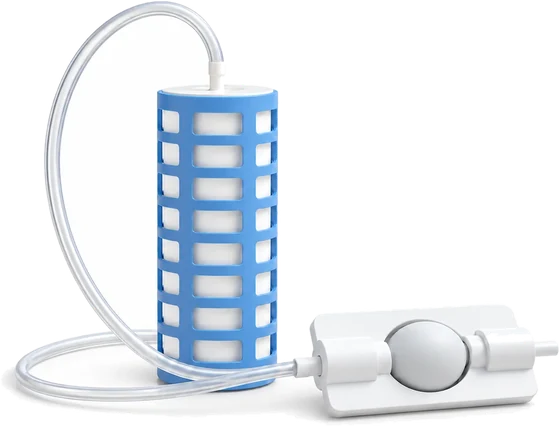
TerraPore AutoSiphon
Makes dirty water drinkable with no power. Drop the fired-clay filter in a bucket, squeeze the bulb, and it fills a pot on its own. It removes 99.99% of bacteria, plus mud and rust. Add bleach afterward for viruses.
$69.00 · 120-day money-back guarantee
See how it worksHow much bleach per gallon of water?
Read the label first. You need regular, unscented chlorine bleach labeled for disinfecting, at 6% or 8.25% sodium hypochlorite. These are the EPA amounts:
| Water | 6% bleach | 8.25% bleach |
|---|---|---|
| 1 quart | 2 drops | 2 drops |
| 1 gallon | 8 drops | 6 drops |
| 2 gallons | 16 drops (1/4 tsp) | 12 drops (1/8 tsp) |
| 4 gallons | 1/3 tsp | 1/4 tsp |
| 8 gallons | 2/3 tsp | 1/2 tsp |
Double the dose if the water is cloudy, colored or very cold. Stir, then wait 30 minutes before drinking. If the chlorine taste is too strong, the EPA suggests pouring the water back and forth between two clean containers and letting it stand for a few hours.
Never use scented or color-safe bleach, or bleach with added cleaners. Use a fresh bottle, less than a year old.
Boil, bleach or filter: which one should you use?
Each method has a job. Used together, they fill each other's gaps:
| Method | What it handles | Watch out |
|---|---|---|
| Boiling (needs a stove and fuel) | Bacteria, viruses and parasites | Does not remove mud or chemicals |
| Bleach (needs 30 minutes) | Bacteria and viruses | May not kill some parasites, like Cryptosporidium |
| Portable filter (no power) | Bacteria and parasites, plus dirt | Does not remove viruses: add bleach after |
The CDC notes that boiling works better than chemicals against parasites like Giardia and Cryptosporidium, and that a filter needs a pore size of 1 micron or smaller to stop them. That is why filter first, then bleach is a strong pair when you cannot boil.
Keep two ways to treat water at home: a bottle of fresh unscented bleach with a dropper, and a filter that works without power. If the gas or power is out, you still have a plan.
What water can never be made safe?

Boiling, bleach and filters fight germs. They do not remove fuel or toxic chemicals. The CDC is clear: water that may contain fuel, toxic chemicals or radioactive material cannot be made safe by boiling or disinfecting.
Do not drink or treat flood water that smells of gas or has an oily rainbow sheen, and never drink water from a home radiator or boiler. Use bottled water or another source, and call your health department for advice.
How much water should you store for an emergency?

Ready.gov advises storing at least 1 gallon of water per person per day for several days, for drinking and sanitation. Children, nursing mothers and sick people may need more, and in very hot weather water needs can double.
Never ration drinking water unless officials tell you to. Drink what you need today and look for more for tomorrow.
Emergency water checklist
Ready.gov says to clean your own containers with dish soap, then sanitize them with 1 teaspoon of unscented bleach per quart of water. For the rest of your plan, see our power outage checklist and the full emergency preparedness checklist.
Frequently asked questions
How long do you need to boil water to make it safe?
The CDC says a rolling boil for 1 minute, or 3 minutes above 6,500 feet. The EPA says 3 minutes above 5,000 feet, so mountain homes should use 3.
How much bleach do you put in a gallon of water to make it drinkable?
According to the EPA, 8 drops of unscented 6% bleach or 6 drops of 8.25% bleach per gallon. Stir and wait 30 minutes. Double it if the water is cloudy, colored or very cold.
Does a water filter make water safe to drink?
A good filter removes bacteria and parasites, but portable filters do not remove viruses or chemicals. The CDC recommends adding a disinfectant like bleach after filtering.
How much water should I store for an emergency?
At least 1 gallon per person per day for several days, according to Ready.gov, and more for children, nursing mothers, sick people and hot weather.
Can boiling make flood water safe?
Not if it may contain fuel or toxic chemicals. Boiling kills germs but does not remove chemicals. Use bottled water or another source.
- Follow your water utility's advice first.
- Clear cloudy water, then boil it for 1 minute (3 minutes up high).
- No fuel? 8 drops of unscented 6% bleach per gallon, wait 30 minutes.
- A filter needs bleach after it, because filters do not stop viruses.
- Water with fuel or chemicals cannot be made safe: find another source.
TerraPore AutoSiphon
A fired-clay filter that removes 99.99% of bacteria, plus mud and rust, and fills a pot on its own from a bucket of rain, creek or well water. No power, no fuel.
See how it worksMore guides for your family
 What Is a NOAA Weather Radio, and Do You Need One?
 What to Keep in Your Car for Emergencies: A Printable Checklist by Season
 Stuck in Your Car in Snow: How to Stay Safe and Warm Until Help Comes
We write plain-English safety guides for families, checked against the official sources listed above. Trusted by 60,000+ families.

 ×
 ×
 ×
 ×