Stuck in Your Car in Snow: How to Stay Safe and Warm Until Help Comes
What to do in the first minutes, how to run the engine without carbon monoxide, how to stay warm without heat, and the warning signs that mean someone needs help now.

Stay in the car. Call 911 if you have a signal. Clear snow away from the exhaust pipe, then run the engine and heater about 10 minutes every hour with one window open slightly for fresh air. Tie a bright cloth to the antenna so rescuers can see you. Wrap everyone up, head included, keep moving your arms and legs, and stay awake.
A storm closes the road, the car slides into a snowbank, and suddenly you are waiting in the cold.
The car is your best shelter. The National Weather Service warns that people who leave their car in a winter storm become disoriented quickly in wind-driven snow and cold. Here is what to do, in order, and what to keep in the car.
In this guide
- A blocked exhaust pipe is the hidden danger. Snow can trap carbon monoxide inside the car. Check the pipe before you run the engine.
- Run the engine about 10 minutes an hour, with a window slightly open, to save fuel and get fresh air.
- Warmth comes from layers and movement: blankets or a bag for every passenger, hats on, arms and legs moving.
What to do first if you are stuck in your car in snow
Take a breath: you have shelter. Do these four things, in this order:
 Step01
Stay in the car and call for help
Do not set out on foot to find help. Call 911 if you have a signal and tell them where you are: the road, the direction you were driving and the last exit or landmark you passed. Then save your battery.
 Step02
Clear the exhaust pipe
If you can step out safely, clear the snow away from the tailpipe under the back bumper. Snow that blocks it can push carbon monoxide back into the car. Check it again as snow piles up.
 Step03
Run the engine 10 minutes an hour
Run the motor and heater for about 10 minutes every hour, with one window opened slightly to let in air. Then turn it off to make your fuel last.
 Step04
Make the car easy to see
Tie a brightly colored cloth, red if you have one, to the antenna or door. At night, turn on the dome light while the engine runs. When it stops snowing, raise the hood to show you need help.
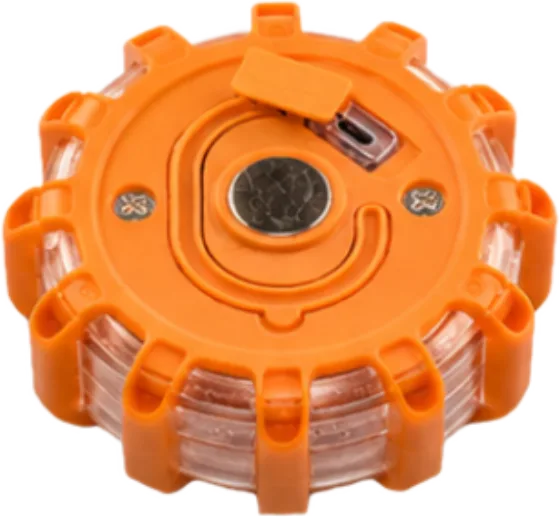
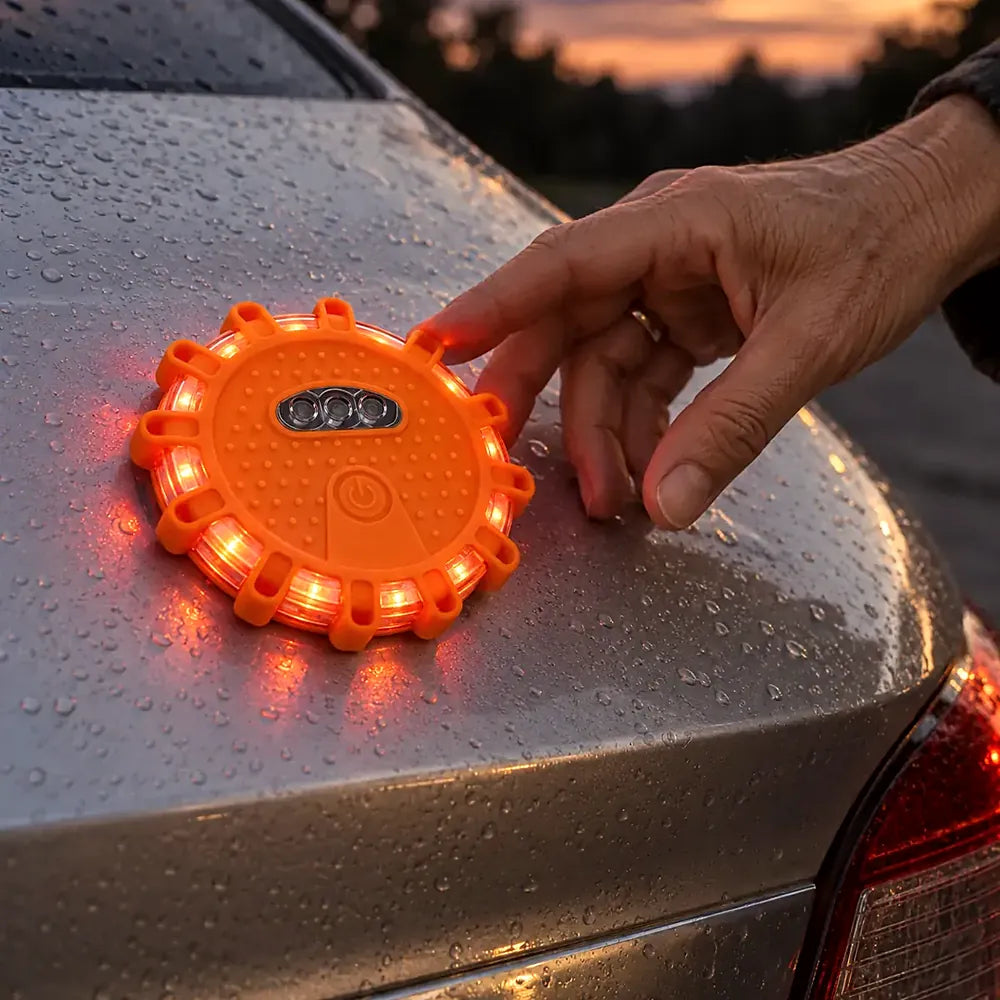
TerraSignal
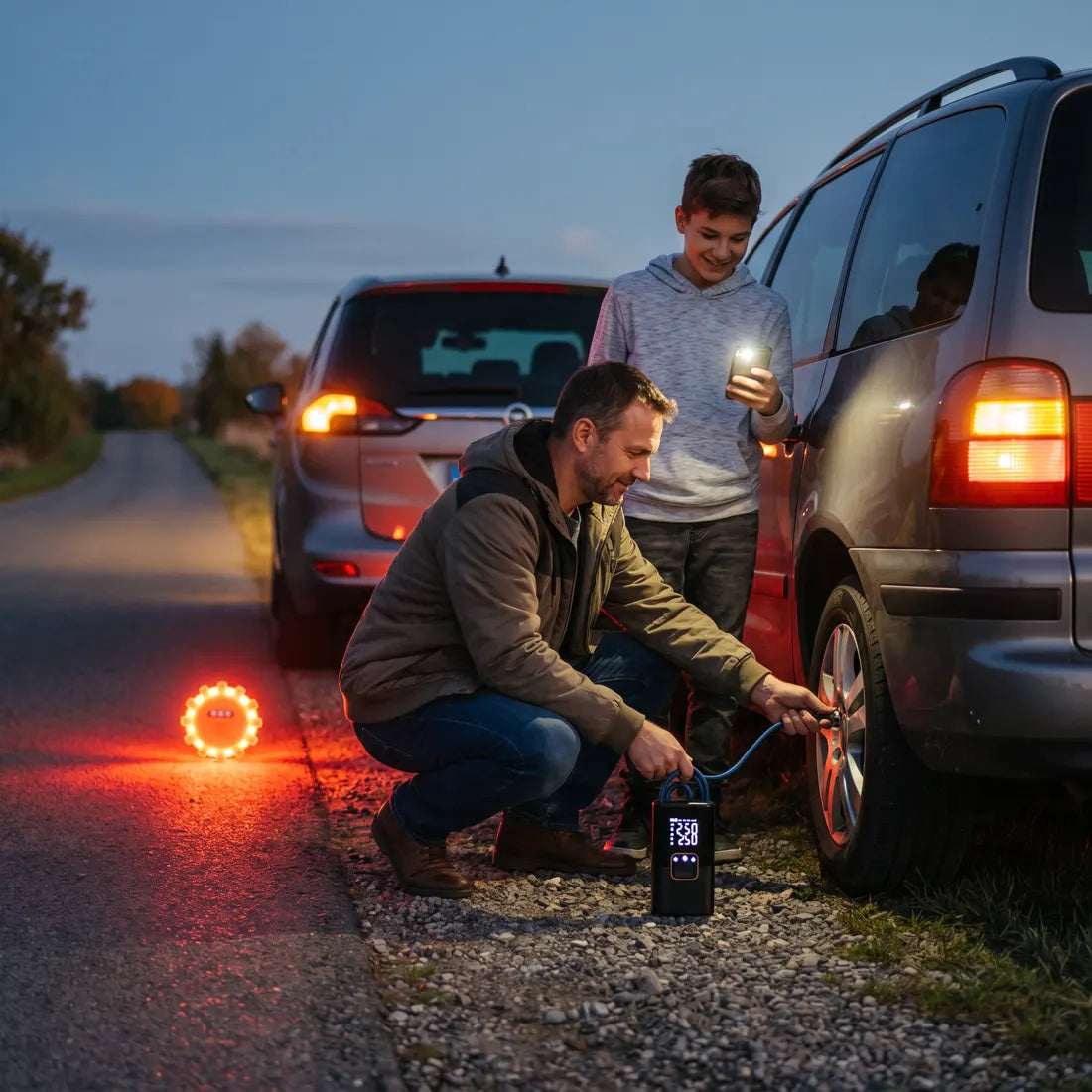
Easy to see from far away: a rechargeable LED flare that snaps onto the roof with a magnet and keeps flashing even when you turn the engine off.
$39.00 · 120-day money-back guarantee
See how it worksWhy you must keep the exhaust pipe clear

Carbon monoxide is a colorless, odorless gas. You cannot see it or smell it. When snow builds up around the back of the car, the fumes from a running engine have nowhere to go and can seep into the cabin.
Never run the engine with the tailpipe buried in snow, and never sleep with the engine running and the windows shut.
Headache, dizziness, weakness, an upset stomach, vomiting, chest pain or confusion while the engine runs are warning signs, according to the CDC. Turn the engine off, open a window and get fresh air. Learn the full list in our guide to carbon monoxide poisoning symptoms.
How to stay warm in a car without heat

Between the 10-minute engine runs, the car cools down fast. The CDC advice for people stranded in a car is simple and it works:
- Move everything you need from the trunk into the passenger area before it gets dark or the snow gets deeper.
- Wrap your whole body, head included, in extra clothing, blankets, or even newspapers.
- Give every passenger their own blanket or bag. Children and older passengers get cold first, so check on them often.
- Huddle together with the other people in the car to share body heat.
- Keep moving your arms and legs while you sit, to keep the blood flowing to your hands and feet.
- Stay awake. The CDC says you are less vulnerable to cold problems when you are awake.
- Do not eat snow. It lowers your body temperature. Melt it first if you need water.
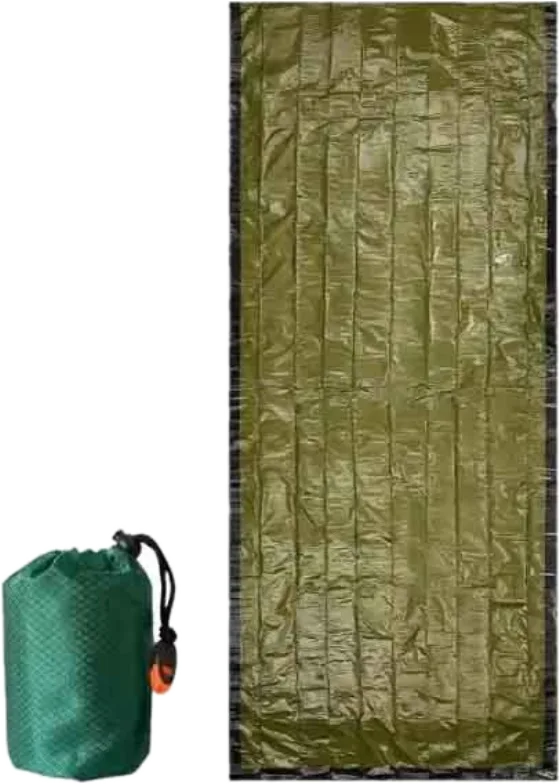
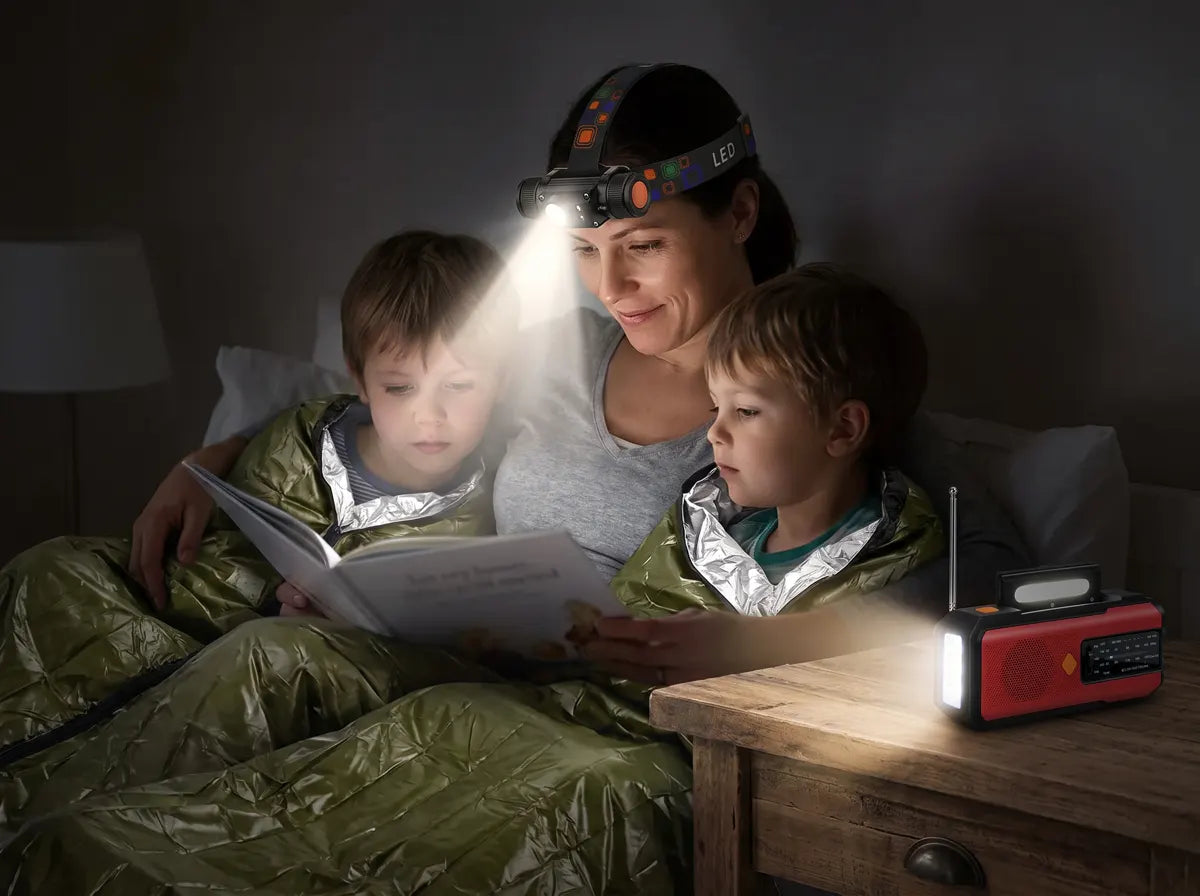
TerraShell Emergency Sleeping Bag
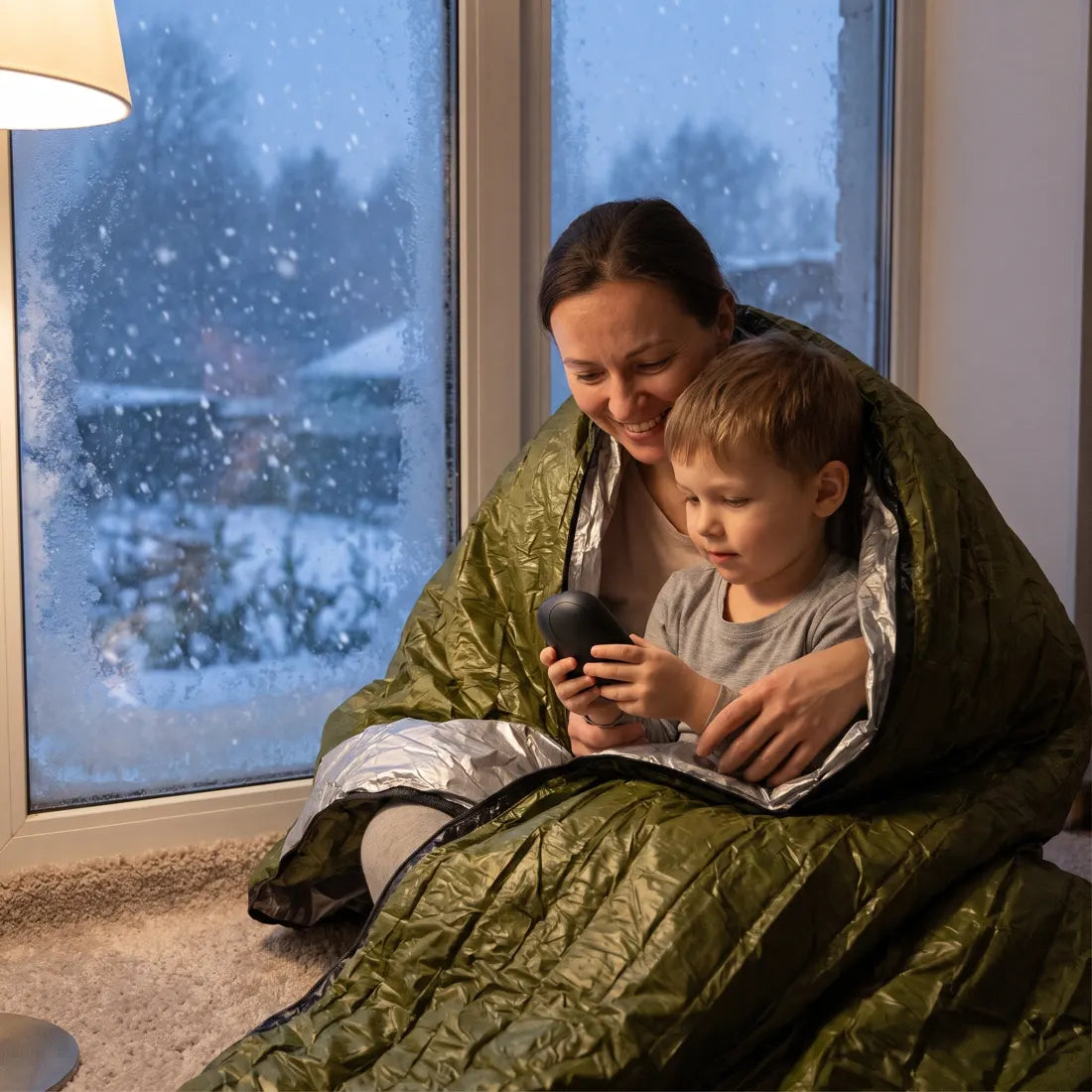
A sleeping bag for every passenger: a 4 oz thermal bag with a reflective lining that holds your own body heat in, plus a built-in whistle to call for help.
$39.00 · 120-day money-back guarantee
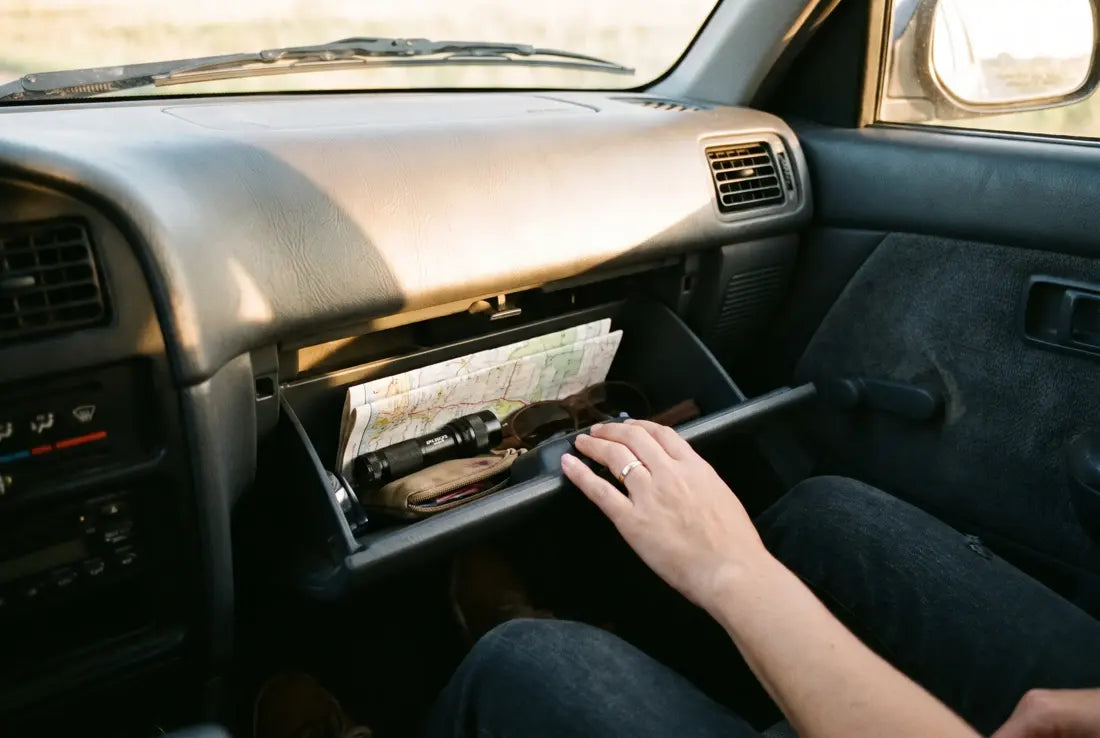
See how it worksKeep one emergency bag per seat in the glove box or under the seats, not in the trunk, so you can reach them without stepping out into the storm. To see how reflective blankets work, read do Mylar blankets work.
Signs of hypothermia and frostbite
Watch every passenger, especially children and older adults, for these signs:
| Condition | Warning signs | What to do |
|---|---|---|
| Hypothermia | Shivering, exhaustion, confusion, fumbling hands, memory loss, slurred speech, drowsiness. In babies: bright red, cold skin and very low energy | Warm the center of the body first: chest, neck, head and groin. Keep them dry and wrapped up. Call 911 |
| Frostbite | Numbness, a white or grayish-yellow skin area, skin that feels unusually firm or waxy | Get somewhere warm and warm the area with body heat. Do not rub or massage it, and do not use a heating pad |
A body temperature below 95°F is a medical emergency. If someone is confused, slurring their words or very drowsy, call 911 right away and tell them it is hypothermia.
When to get out of the car, and when to stay
In almost every case, staying is the safer choice. Leave the car only if you can see a building or help close by, and only if the storm has passed and you can walk there safely.
- Stay put in heavy snow, wind or darkness. It is easy to get lost a few yards from the road.
- Do not try to dig out or push the car if you have heart problems or are not in good health. The National Weather Service warns that overexertion in the cold is dangerous.
- Step out only to clear the exhaust pipe or set up a signal, and stay within arm's reach of the car.
What to keep in your car for winter

What keeps you safe has to be in the car before the storm. The CDC suggests a kit like this:
Winter car emergency kit
Keep the gas tank near full all winter: the CDC says it helps avoid ice in the tank and fuel lines. For the full list of what belongs in every car year round, see what to keep in your car for emergencies, or browse our winter storm supplies.
Frequently asked questions
Should I stay in my car if I am stuck in snow?
Yes. The National Weather Service says to stay in the vehicle, because people who leave get disoriented quickly in wind-driven snow and cold. The car is also much easier for rescuers to find.
How long should I run the engine when stranded in winter?
About 10 minutes every hour, with one window opened slightly for fresh air, and only after you have checked that snow is not blocking the exhaust pipe.
How do you stay warm in a car without heat?
Wrap your whole body, head included, in clothes, blankets or an emergency bag, huddle with other passengers, keep moving your arms and legs, and stay awake.
Can you get carbon monoxide poisoning in a car stuck in snow?
Yes. If snow blocks the tailpipe, exhaust fumes can build up inside the car. Clear the pipe before you run the engine and keep a window slightly open.
- Stay in the car and call 911 if you can.
- Clear the exhaust pipe, then run the engine about 10 minutes an hour with a window slightly open.
- Make the car visible with a bright cloth, the dome light at night, or a flare.
- Wrap everyone up, keep moving, stay awake, and watch for hypothermia and frostbite.
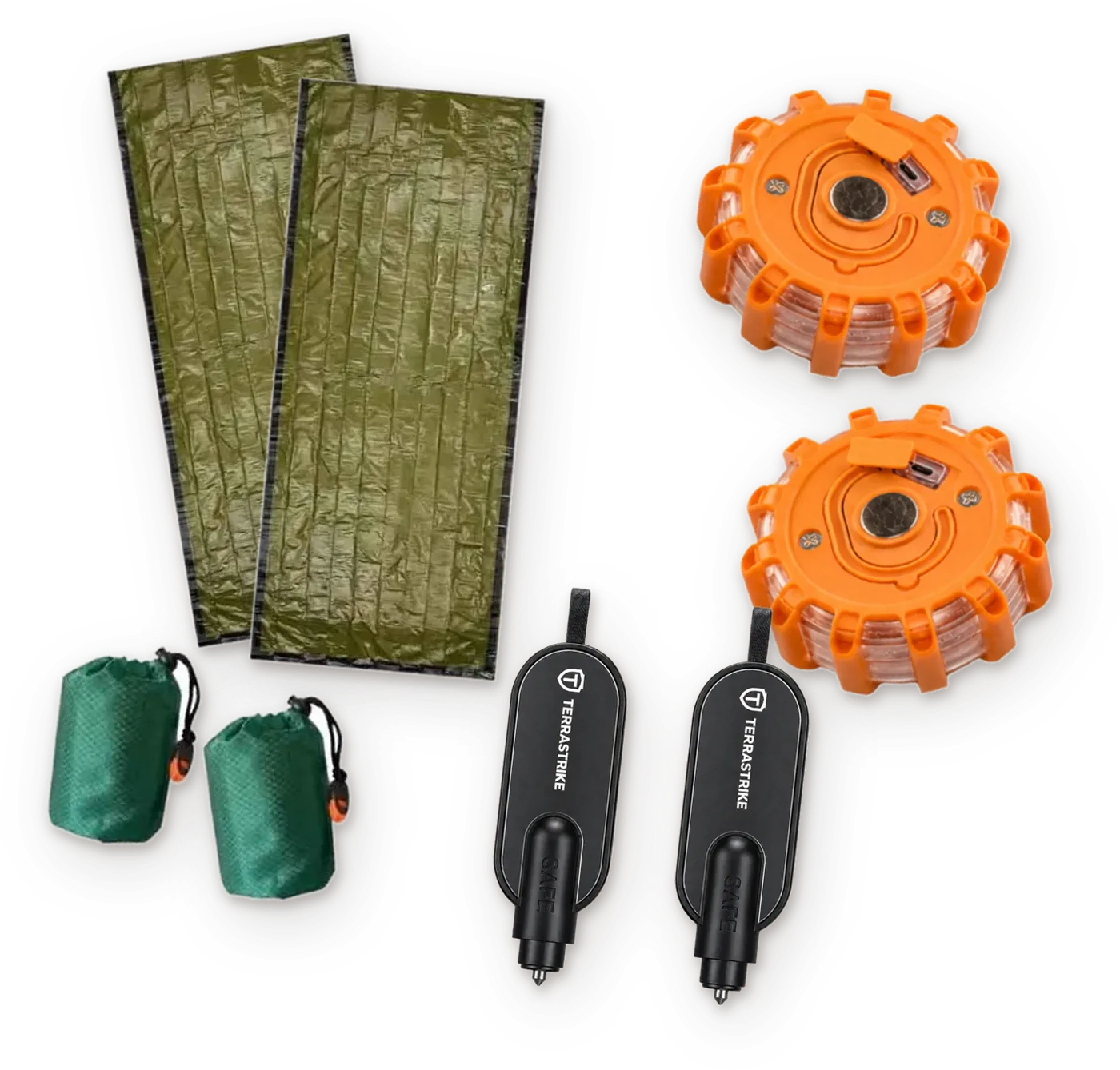
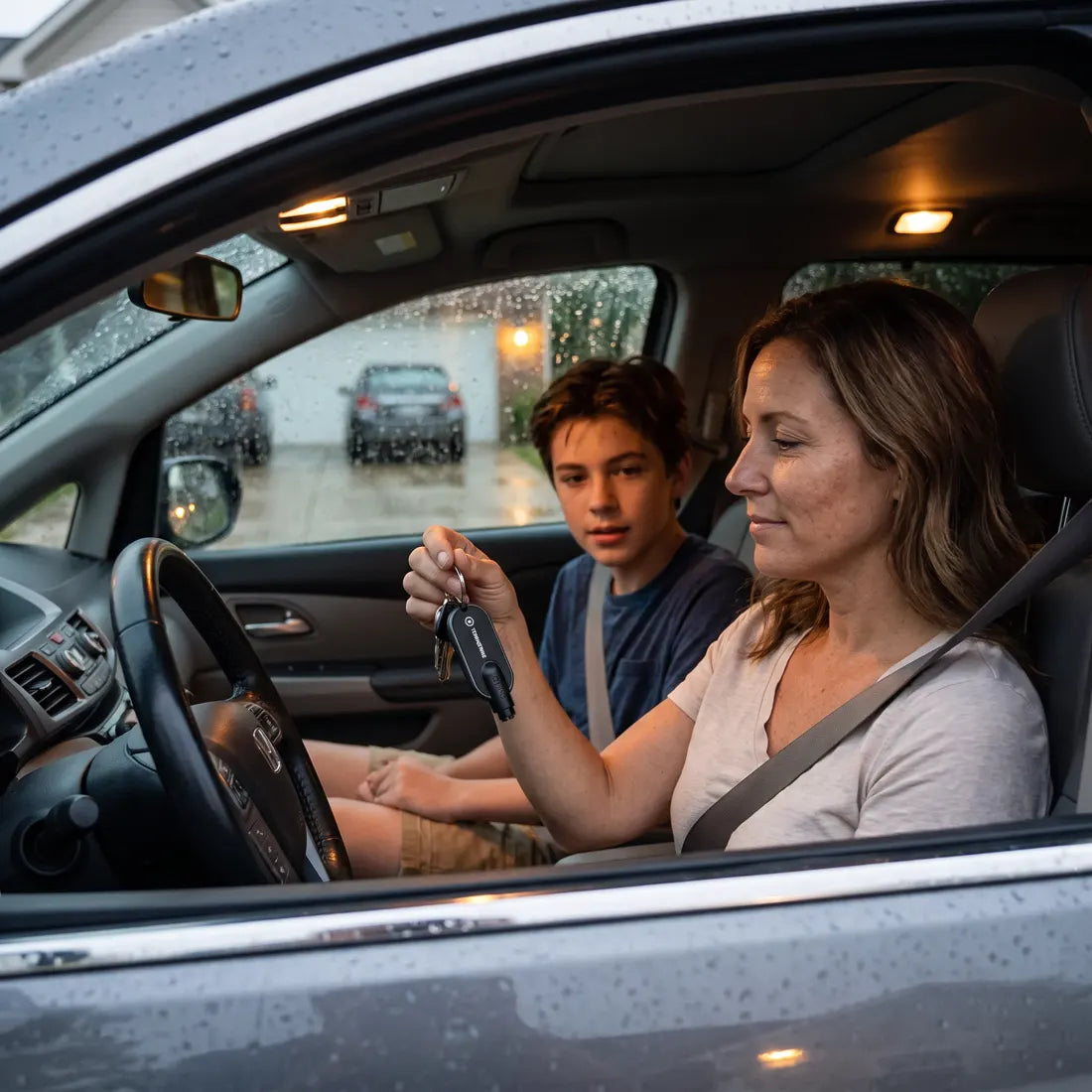
The Family Car Kit
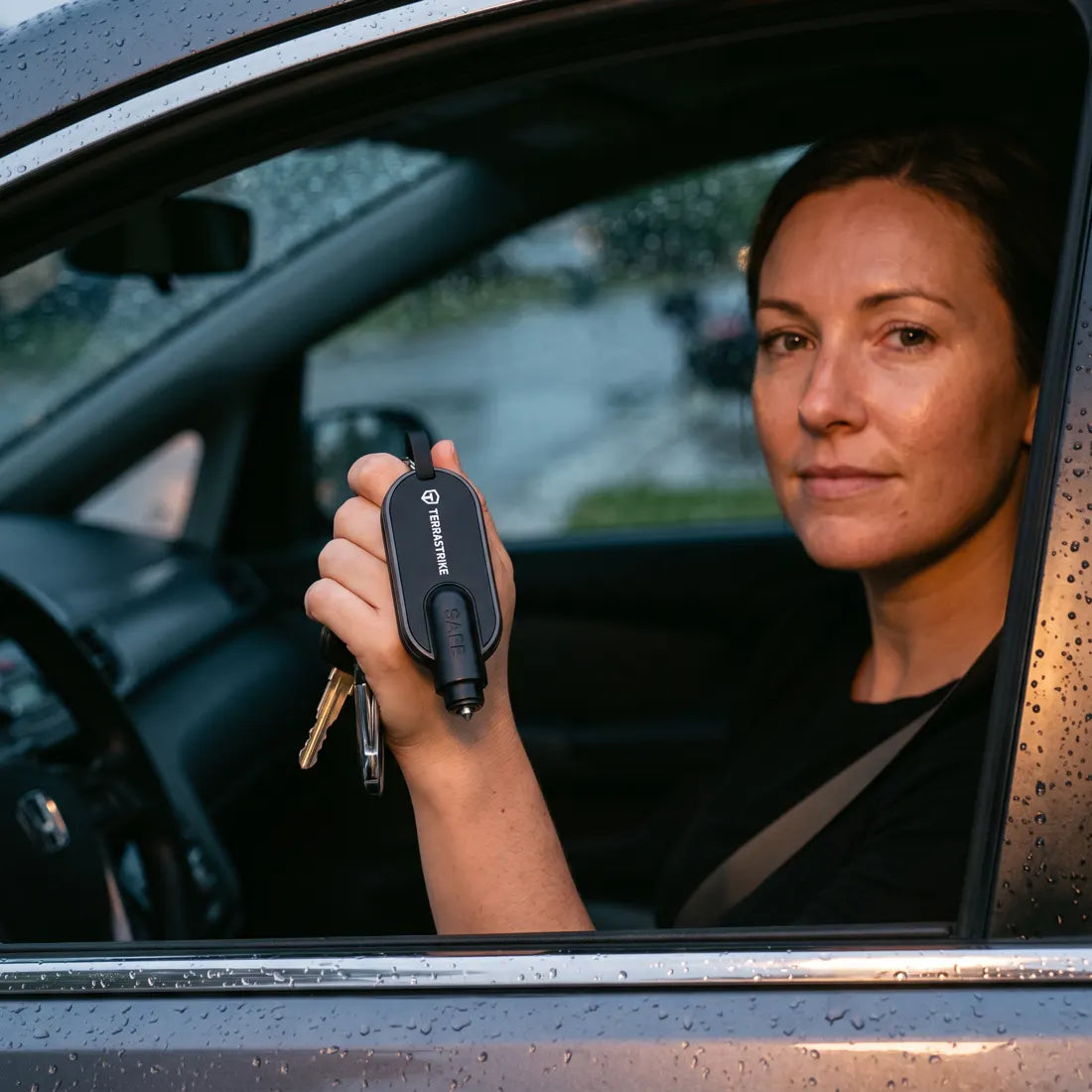
Everything to get out, get seen and stay warm if you are ever stuck on the roadside with the kids: a window breaker, two LED road flares and two emergency sleeping bags, in one box.
See the kitMore guides for your family
 What Is a NOAA Weather Radio, and Do You Need One?
 What to Keep in Your Car for Emergencies: A Printable Checklist by Season
 How to Secure a Hotel Room Door When You Travel

We write plain-English safety guides for families, checked against the official sources listed above. Trusted by 60,000+ families.



 ×
 ×
 ×
 ×