Do Mylar Emergency Blankets Really Work?
What a thin silver sheet can and cannot do for your body heat, why a bag beats a flat sheet, and the 4 steps that make one actually work.

Yes, but only for part of the job. A Mylar blanket reflects the heat your body gives off back toward you and blocks wind and rain. It does not stop cold from soaking in from the ground, and it does not make heat. It works best when you are out of the wind, with something under you, wrapped snugly with no gaps. A closed bag works better than a flat sheet.
Mylar emergency blankets, the thin silver sheets also called space blankets, are in almost every first aid kit and car kit. They weigh almost nothing and fold to the size of a wallet, which makes many people wonder if they can really help.
They can, if you know what they do and what they do not. Here is the plain-English answer, how to use one the right way, and the warning signs that mean it is time to call for help.
In this guide
- A Mylar blanket reflects your body heat back to you. NASA reports this kind of film can reflect up to 97% of a person's radiant heat.
- It does not insulate you from the ground. Put a cushion, a backpack or cardboard under you first.
- Shape matters. A bag closes around you; a sheet leaves gaps and slides off.
- Know the signs of hypothermia. Shivering, confusion, fumbling hands or drowsiness mean get help.
Do Mylar blankets really keep you warm?

Yes, in one specific way. The reflective film was developed for NASA in the 1950s. It is a thin plastic coated with vaporized aluminum, and it bounces infrared heat back instead of letting it pass through. NASA reports that blankets made this way can reflect up to 97% of a person's radiant heat.
Your body loses heat in three main ways when you are stuck in the cold. A Mylar blanket handles only some of them:
- Heat radiating off your body: this is where the blanket shines. It reflects that heat back toward you.
- Wind and rain: a blanket wrapped snugly keeps wind and wet off your clothes. A loose one lets the wind in.
- Cold ground: heat flows straight out of you into snow, a cold floor or frozen earth. A thin sheet does almost nothing to stop it.
What a Mylar blanket cannot do
Knowing the limits is what keeps you safe:
- It does not insulate you from the ground. Doctors who treat hypothermia say insulation from the ground and the elements is key. Sit on a seat cushion, a backpack, cardboard or a folded blanket.
- It does not make heat. It only keeps the heat your own body makes. Eat something if you can, and keep warm drinks for later (never alcohol).
- A flat sheet leaks. Wind gets under it, it slides off when you move, and warm air escapes at every edge.
- It does not replace getting help. It buys you time while help comes.
Sheet or bag: which works better?

Both use the same reflective idea. The difference is how well they hold the warm air around you:
| Flat Mylar sheet | Emergency bag | |
|---|---|---|
| Stays on when you move | Slides off easily | Closes around you |
| Gaps at feet, sides and neck | Yes, wind gets in | No, closed on every side |
| Wind and rain | Only if wrapped tight | Outer layer blocks them |
| Use again | Thin, tears and is hard to refold | Stronger, can be dried and repacked |
| Best for | First aid kits, short waits | Car, home outages, a long night |
If you can only carry one thing in the car, a bag is the safer choice, especially for older adults and children.
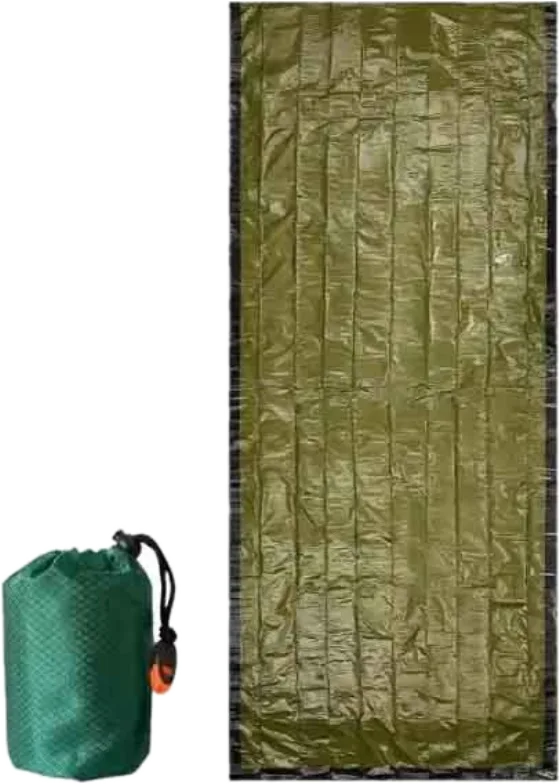
TerraShell Emergency Sleeping Bag
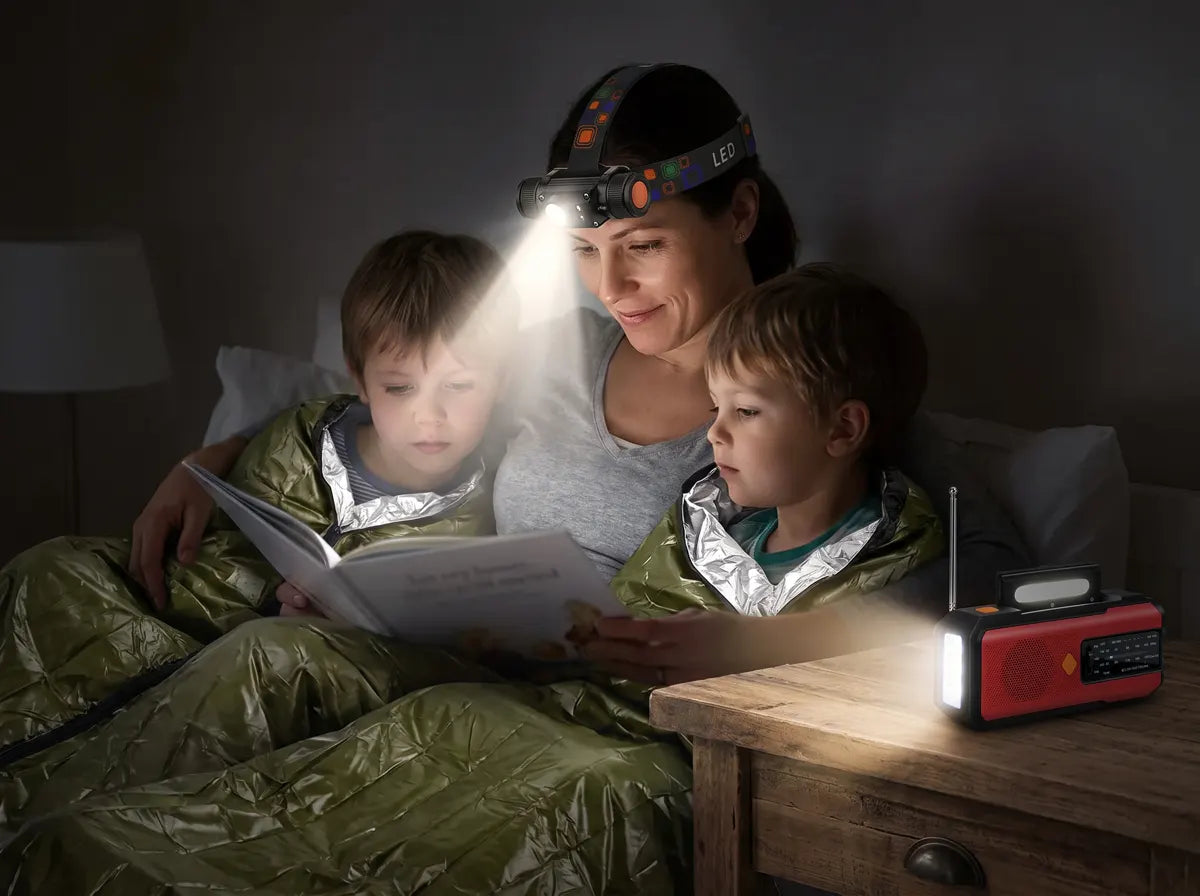
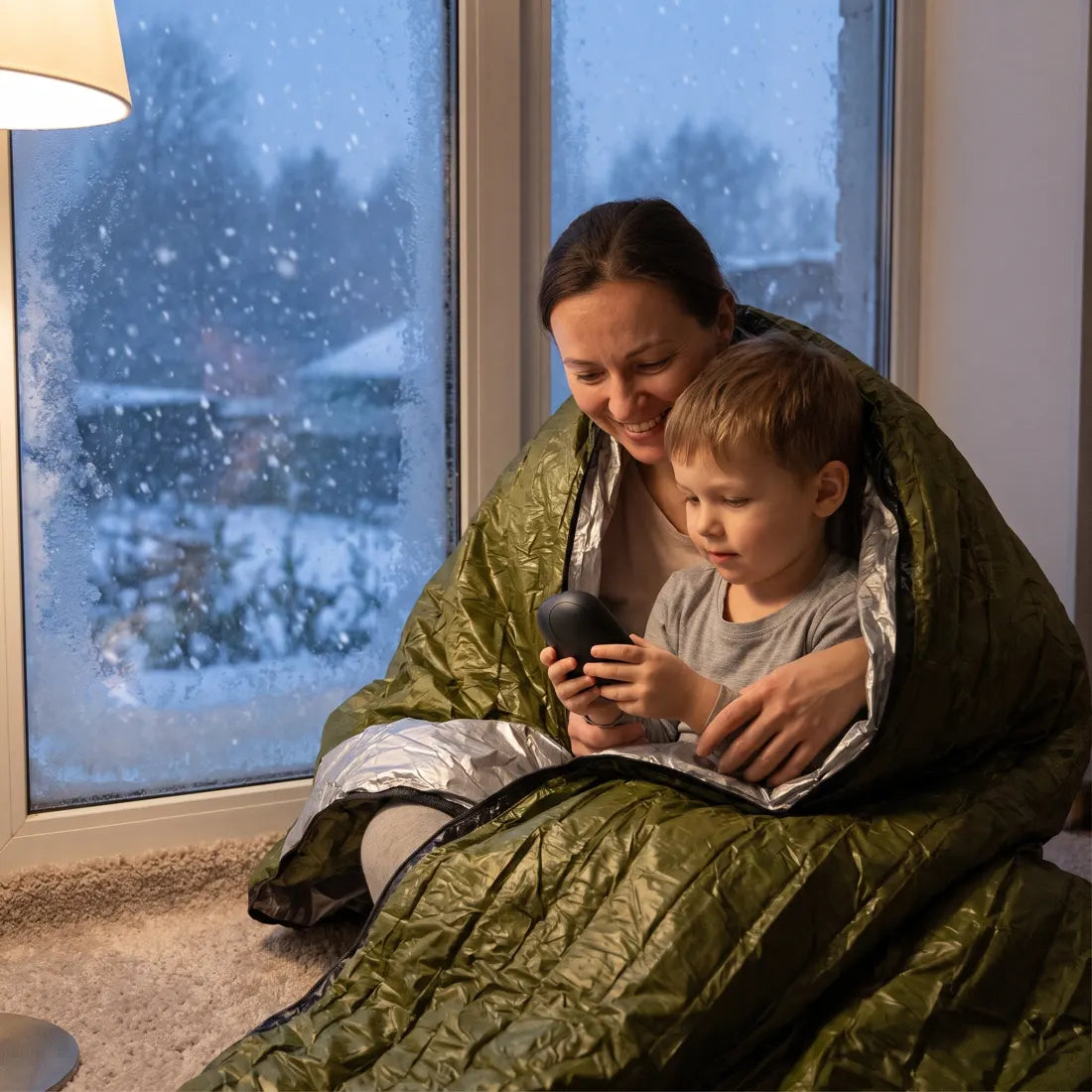
A bag that closes around you, with a reflective lining. Wind and water resistant outer layer, a whistle built in to call for help, about 4 ounces and smaller than a soda can when packed.
$39.00 · 120-day money-back guarantee
See how it worksHow do you use an emergency blanket the right way?
Do these four things, in this order:
 Step01
Get out of the wind
Wind strips heat away fast. If your car is stuck, stay inside it, out of the wind and the wet. At home, pick the smallest room.
 Step02
Put something under you
Before you sit or lie down, add a layer between you and the cold: a seat cushion, a foam pad, a backpack, cardboard or folded blankets.
 Step03
Wrap up snugly, or climb inside
Keep your clothes and hat on. Wrap the blanket tight around your body with no gaps, or climb into a bag and pull it up to your shoulders. Keep your face free so you can breathe easily.
 Step04
Keep checking on each other
Watch for the signs of hypothermia in everyone, and especially in older adults and children. Share warm drinks if you have them, never alcohol.
Keep one blanket or bag per person in every car, plus a seat cushion or a folded blanket to sit on. The blanket only does half the job without something underneath.
If you run the engine for heat, keep the tailpipe clear of snow. A blocked tailpipe can let carbon monoxide build up inside the car.
Know the early signs of carbon monoxide: our guide to carbon monoxide poisoning symptoms lists them.
What are the signs of hypothermia?
The CDC lists these warning signs in adults:
- Shivering
- Exhaustion or feeling very tired
- Confusion and memory loss
- Fumbling hands
- Slurred speech
- Drowsiness
In babies, look for bright red, cold skin and very low energy.
Hypothermia is a medical emergency. If you see these signs, or a temperature below 95°F, call 911 or get medical help right away.
What to do while you wait
- Move the person somewhere warm and out of the wind.
- Once inside, take off any wet clothing.
- Warm the center of the body first: chest, neck, head and groin, with skin-to-skin contact under loose, dry layers.
- Give warm drinks if they are awake, never alcohol.
- Once they warm up, keep them dry and wrapped, head and neck included.
Where should you keep emergency blankets?

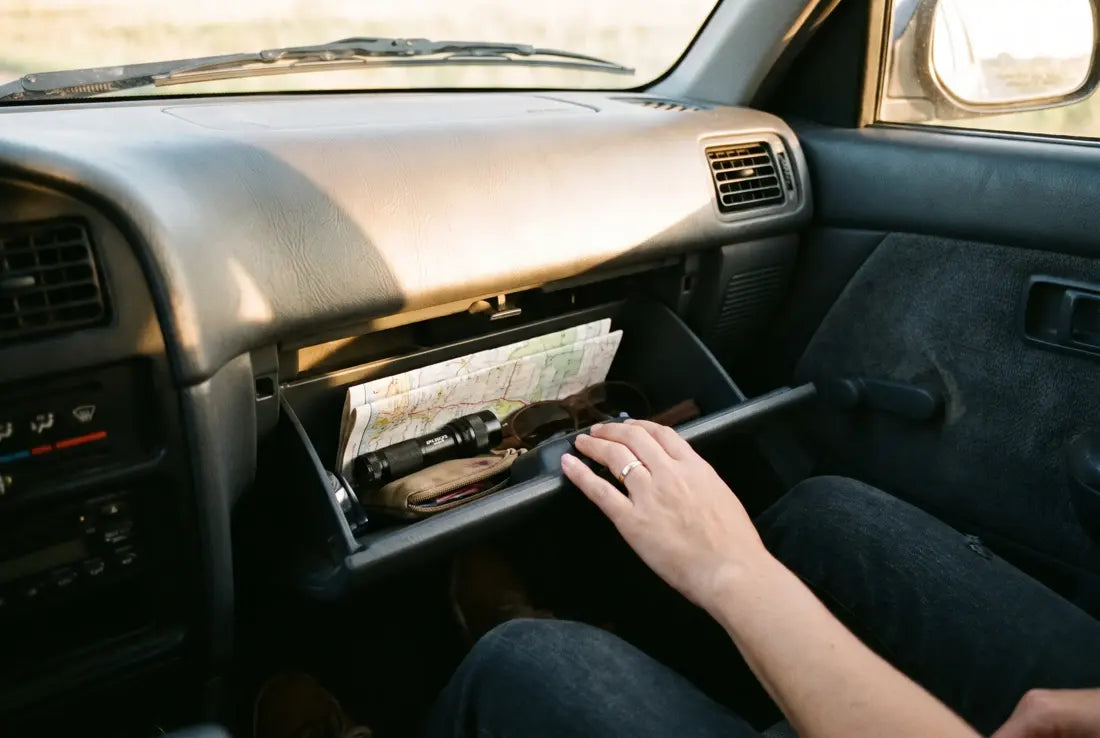
The CDC and the National Weather Service both list blankets or sleeping bags in a winter car kit. Because Mylar blankets and emergency bags pack so small, there is no reason not to keep them everywhere you might get stuck.
Emergency warmth checklist
For the same ideas at home, see how to stay warm without power, or compare the options in our emergency blankets collection.
Frequently asked questions
Do space blankets actually keep you warm?
Yes. They reflect most of the heat your body radiates and block wind and rain. They do not insulate you from the cold ground, so put something underneath you.
Is an emergency bag better than a Mylar blanket?
Usually yes. A bag closes around you, so warm air does not escape at the edges and it stays on when you move.
Which side of a Mylar blanket faces the body?
We found no official guidance on this. What matters far more is wrapping it snugly with no gaps, staying out of the wind and putting something under you.
Can you reuse a Mylar emergency blanket?
Thin sheets tear easily and are hard to refold, so many are used once. Bags with a stronger outer layer can be dried, repacked and used again.
Can a Mylar blanket prevent hypothermia?
It can slow heat loss and buy you time, especially out of the wind and off the ground. It does not replace shelter or medical help. Hypothermia is a medical emergency.
- Mylar reflects your body heat back and blocks wind, but does not make heat.
- Get out of the wind and put something between you and the ground.
- Wrap up snugly with no gaps, or use a bag that closes around you.
- Watch for shivering, confusion and drowsiness, and call 911 if you see them.
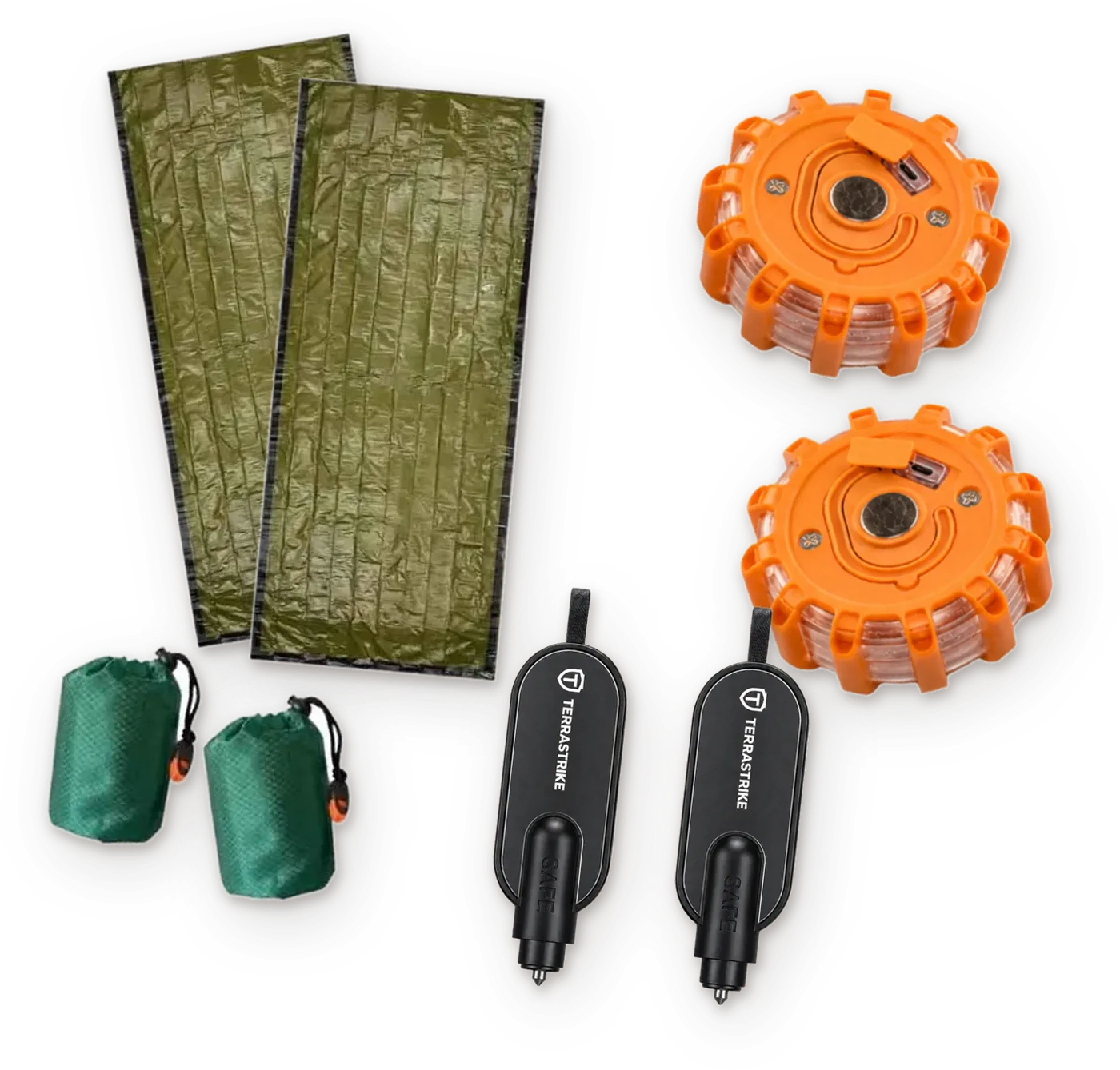
The Family Car Kit
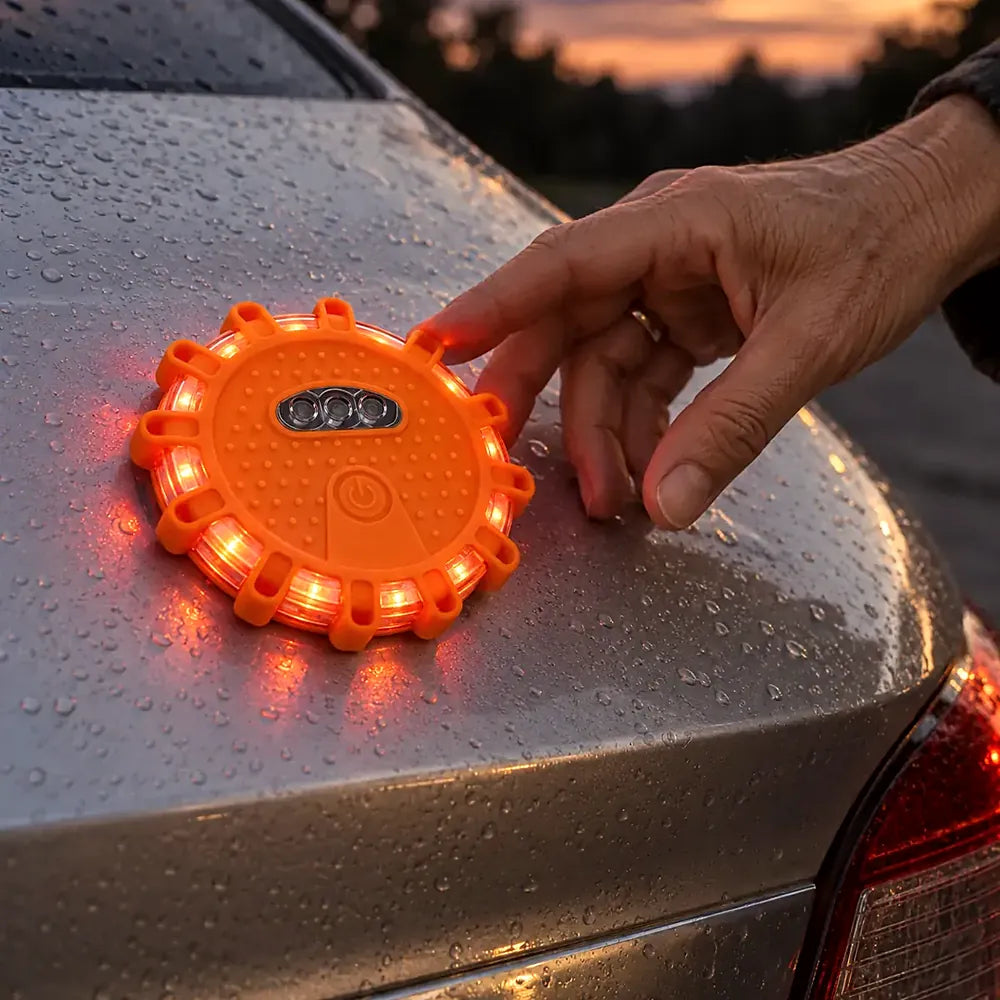
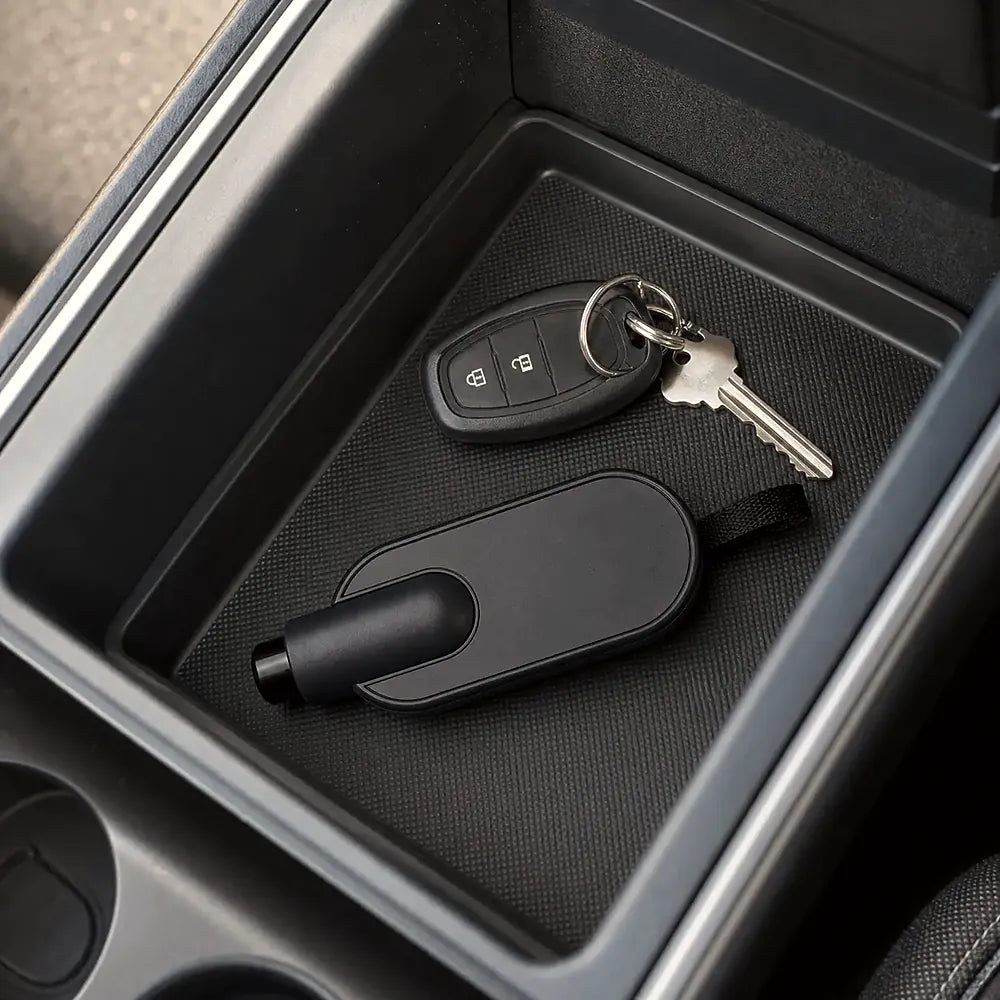
A window breaker, two LED road flares and two TerraShell emergency bags: everything to get out, get seen and stay warm if you are ever stuck with the kids.
See the kitMore guides for your family
 What Is a NOAA Weather Radio, and Do You Need One?
 What to Keep in Your Car for Emergencies: A Printable Checklist by Season
 Stuck in Your Car in Snow: How to Stay Safe and Warm Until Help Comes

We write plain-English safety guides for families, checked against the official sources listed above. Trusted by 60,000+ families.

 ×
 ×
 ×
 ×