Carbon Monoxide Poisoning: Symptoms, Who Is at Risk and What to Do
The symptoms that look like the flu, the 6 clues that point to carbon monoxide instead, and the 3 moves to make the moment you suspect it.

The most common symptoms are headache, dizziness, weakness, upset stomach, vomiting, chest pain and confusion, according to the CDC. They feel like the flu. The clue is that several people (or pets) in the house feel sick at once and feel better outside. If you suspect carbon monoxide, get everyone out into fresh air now, then call 911 from outside. Do not go back in until responders say it is safe.
Carbon monoxide (CO) is a gas you cannot see, smell or taste. It is made whenever fuel burns: a furnace, a gas stove, a fireplace, a car, a generator. Indoors, it can build up without anyone noticing.
Every year in the United States, more than 400 people die from accidental CO poisoning not linked to fires, more than 100,000 visit an emergency room and more than 14,000 are hospitalized, according to the CDC. This guide shows you how to recognize it, and what to do in the first minutes.
In this guide
- CO symptoms feel like the flu, but with no fever, and they get better when you leave the house.
- Several people or pets sick at the same time is a strong warning sign.
- People who are asleep can be poisoned before they feel any symptom. Only an alarm can wake them.
- Get out first, call 911 second. Never stay inside to look for the source.
What are the symptoms of carbon monoxide poisoning?
The CDC lists the most common symptoms as:
- Headache, often the first sign
- Dizziness and weakness
- Upset stomach and vomiting
- Chest pain
- Confusion
How it gets worse over time
The Minnesota Department of Health describes how the signs build up. First, a mild headache and feeling out of breath with light effort. Then stronger headaches, dizziness, tiredness and nausea. In the end, confusion, irritability, poor judgment and coordination, and loss of consciousness.
The danger is that confusion can set in before a person realizes what is happening, and then they may not think clearly enough to leave.
People who are asleep, or who have been drinking, can die from carbon monoxide before they have any symptoms, says the CDC. That is why an alarm near the bedrooms matters more than knowing the symptoms.
Is it carbon monoxide or the flu?

Because the symptoms are so close to the flu, CO poisoning is easy to miss. The Minnesota Department of Health gives these clues that point to carbon monoxide:
| Clue | Points to carbon monoxide | Points to the flu |
|---|---|---|
| Where you feel sick | Worse at home, better when you leave | The same everywhere |
| Who is sick | Everyone at the same time | One person, then the next |
| Who is sickest | Whoever spends the most time in the house | No pattern |
| Pets | Indoor pets seem sick too | Pets are fine |
| Fever and body aches | No fever, no body aches | Fever and aches are common |
| When it starts | When the furnace, stove or another fuel appliance is running | No link to appliances |
The EPA describes the same pattern: flu-like symptoms that clear up after leaving home. If two or more of these clues fit, treat it as carbon monoxide until you know otherwise.
Who is most at risk?

Everyone is at risk, says the CDC. But some people get sick sooner or more seriously:
- Infants and babies
- Older adults
- People with chronic heart disease, anemia or breathing problems
- Pregnant women, because the unborn baby is exposed too (the CDC advises hospital oxygen treatment for pregnant women even when they seem less sick)
If someone in your home is in one of these groups, an alarm in the hallway outside their bedroom is not optional. See where to put a carbon monoxide detector for the exact spots.
What to do if you suspect carbon monoxide
Do not wait to be sure. If the alarm sounds, or the symptoms and clues fit, do these three things in this order:
 Step01
Get everyone into fresh air now
Leave the house right away, outdoors or at least to an open window or door. Bring children, older relatives and pets. Make sure every person is accounted for.
 Step02
Call 911 from outside
Call from the fresh air, not from inside. Say you suspect carbon monoxide and describe the symptoms. Anyone with symptoms needs to be checked: the standard treatment is oxygen.
 Step03
Stay out until responders say it is safe
Wait outside until emergency personnel tell you it is safe to go back in. Before you use the appliance again, have a qualified technician find and fix the cause.
Do not stay inside to look for the source, open windows room by room or turn appliances off. Every minute inside means more carbon monoxide in the blood. Get out first.
Alarm sounding or just chirping?
A CO alarm has two sounds. The alarm means carbon monoxide: get out. A short chirp every so often is usually the trouble signal for a low battery. NFPA advice: replace the battery, and if it keeps sounding, call the fire department.
Where does carbon monoxide come from in a home?

Anything that burns fuel can make it. The EPA lists these common sources in the home:
- Furnaces and chimneys that leak, or vents that send fumes back inside
- Water heaters, wood stoves and fireplaces
- Gas stoves and unvented gas or kerosene space heaters
- Generators and other gasoline-powered equipment
- Car exhaust from an attached garage
Winter puts all of these together: the furnace runs all day, windows stay shut, and a storm can knock out the power. That is when people reach for the wrong heat source. If the lights go out, read how to stay warm without power and our power outage checklist first.
Never run a generator inside the home, the garage, a basement or a shed, even with the doors open. The CPSC says one portable generator can make as much CO as hundreds of cars. Keep it outside, at least 20 feet from the house, with the exhaust pointed away.
How to protect your family from carbon monoxide

Carbon monoxide safety checklist
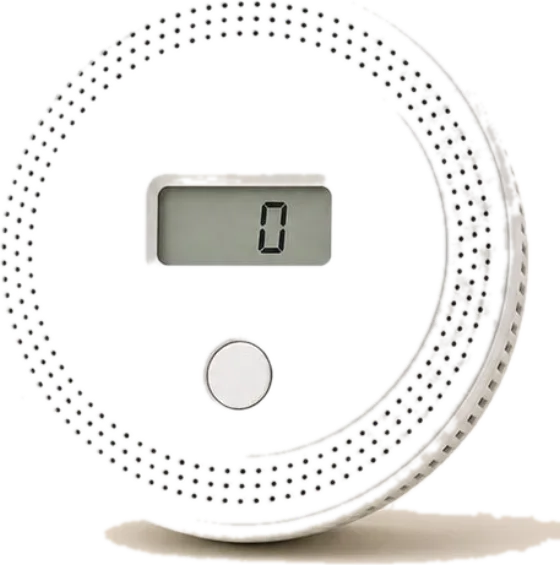
TerraSentinel, 2-pack
A smoke and carbon monoxide alarm in one, with a CO number on the screen anyone can read. It runs on its own batteries, so it keeps watching when the power goes out.
$139.90 · 120-day money-back guarantee
See how it worksPress the test button with the whole family in the room, so the kids and grandparents all know the sound and know it means: go outside.
Frequently asked questions
What are the first signs of carbon monoxide poisoning?
A mild headache, feeling out of breath with light effort, dizziness and tiredness. Because they feel like the flu, the clue is that several people feel sick at once and feel better outside.
Can you smell carbon monoxide?
No. Carbon monoxide has no color, smell or taste. Only a CO alarm can tell you it is there.
How can I tell carbon monoxide poisoning from the flu?
With CO there is usually no fever or body aches, everyone in the house feels sick at the same time, pets may seem sick too, and symptoms get better when you leave the house.
What should I do if my CO alarm goes off?
Get everyone outside into fresh air, call 911 from outside, and stay out until emergency personnel say it is safe to go back in.
Who is most at risk from carbon monoxide?
Infants, older adults, pregnant women and people with chronic heart disease, anemia or breathing problems, according to the CDC.
- CO symptoms feel like the flu: headache, dizziness, weakness, nausea, confusion.
- Several people or pets sick at once, and better outside, means think CO.
- Get out first, call 911 from outside, and stay out until it is declared safe.
- A battery-powered alarm near every sleeping area is the only warning that works while you sleep.
TerraSentinel smoke and CO alarm
Two alarms in one round unit, with a CO number on the screen. Battery-powered, no wiring, no outlet, no app, so it keeps watching through a blackout.
See how it worksMore guides for your family
 What Is a NOAA Weather Radio, and Do You Need One?
 What to Keep in Your Car for Emergencies: A Printable Checklist by Season
 Stuck in Your Car in Snow: How to Stay Safe and Warm Until Help Comes

We write plain-English safety guides for families, checked against the official sources listed above. Trusted by 60,000+ families.



 ×
 ×
 ×
 ×